3 Veggies Cardiologists Want You to Eat And 3 To Avoid
The 3 Veggies Cardiologists Want You to Eat
These powerhouses are packed with nutrients designed to protect your heart and keep your blood vessels healthy.
- Dark Leafy Greens (Spinach, Kale, Collard Greens)
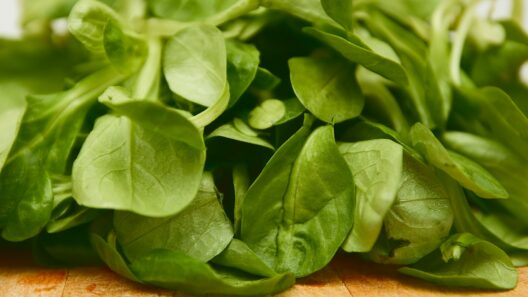
These are arguably the MVPs of a heart-healthy diet. Greens like spinach and kale are rich in vitamins, minerals, and antioxidants that fight inflammation. More importantly, they are high in dietary nitrates, which your body converts into nitric oxide. This molecule helps to relax and widen blood vessels, which can improve blood flow and lower blood pressure. - Cruciferous Vegetables (Broccoli, Brussels Sprouts)
Don’t push these to the side of your plate. Cruciferous vegetables are not only high in fiber, which helps manage blood sugar and keep you full, but they have also been linked to lower levels of “bad” LDL cholesterol. Their potent antioxidant properties help prevent damage to blood vessels, making them a top choice for long-term cardiovascular protection. - Legumes (Black Beans, Lentils, Chickpeas)
While technically legumes, these are often grouped with vegetables on a dinner plate and are a cardiologist’s dream. They are incredibly high in soluble fiber, which acts like a sponge in your digestive tract to soak up bad cholesterol before it gets into your bloodstream. Plus, they are an excellent source of plant-based protein and magnesium, a mineral that plays a key role in regulating blood pressure.
The 3 Veggies Cardiologists Want You to Be Careful With
It’s rarely the vegetable itself that’s the problem, but rather how it’s processed, cooked, or consumed in relation to medication.
- High-Sodium Canned Vegetables
Fresh beans are great; canned beans swimming in salt are not. The same goes for corn, peas, and other canned veggies. Excess sodium is a primary driver of high blood pressure (hypertension), which forces your heart to work harder and damages arteries over time.
The Fix: Always choose “low-sodium” or “no-salt-added” versions, and give canned veggies a good rinse under water before cooking to wash away excess salt.
- Deep-Fried Vegetables (French Fries, Tempura)
Taking a healthy vegetable like a potato, zucchini, or green bean and deep-frying it in hot oil negates nearly all its health benefits. Deep-frying adds a significant amount of unhealthy fats and calories, which contributes to weight gain, inflammation, and clogged arteries.
The Fix: Opt for roasting, steaming, or air-frying your vegetables with a small amount of heart-healthy olive oil instead.
- A Sudden “Greens Binge” (If You Are on Blood Thinners)
This is a critical caveat for millions of people taking blood-thinning medication like warfarin (Coumadin). Leafy greens are high in Vitamin K, a nutrient that helps blood clot. This directly works against the medication’s purpose.
Cardiologists don’t want you to avoid these healthy greens entirely, but they do warn against sudden, drastic changes in how much you eat. Eating a giant spinach salad one day and none for the next week can cause dangerous fluctuations in your medication’s effectiveness.
The Fix: The key is consistency. Aim to eat roughly the same amount of Vitamin K-rich foods each day to keep your levels stable, and always consult your doctor before making major changes to your diet.