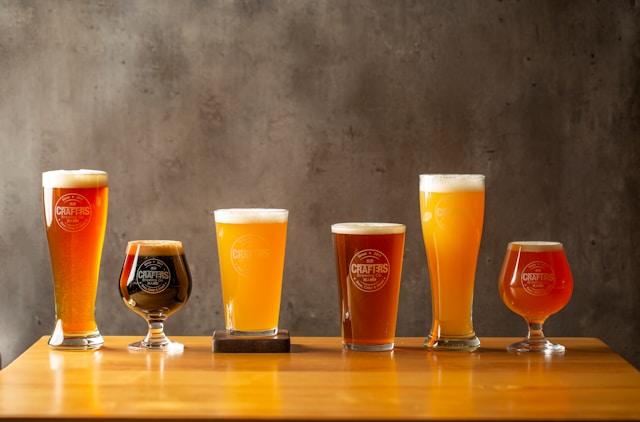
Beer is one of the most popular social drinks in the world. A cold bottle after work or a glass with friends can feel comforting, familiar, and relaxing. But like many everyday habits, beer has both benefits and drawbacks. Understanding both sides can help you enjoy it without unwanted surprises.
The Benefits of Beer
1. It may contain helpful antioxidants
Beer is brewed from grains and hops, both of which carry natural antioxidants. These compounds help reduce oxidative stress in the body and may offer mild support for heart and cell health. While beer is not a health drink, the antioxidants it contains are a small plus.
2. Light to moderate drinking may support social well-being
Sharing a beer can be part of community events, celebrations, or simple downtime with friends. Relaxing in a social environment can help reduce tension and improve mood. The benefit here is not the beer itself but the sense of connection it can help create.
3. It provides B vitamins and minerals
Beer contains small amounts of B vitamins, magnesium, potassium, and silicon. These micronutrients support energy production, nerve function, and bone health. The amounts are not large enough to rely on, but they are there.
The Downsides of Beer
1. It is high in empty calories
Beer adds calories without providing meaningful nutrition. Even light beers can add up quickly. Regular drinking can lead to weight gain, especially around the midsection, and may slow metabolic health over time.
2. It can raise blood sugar and impact digestion
Beer contains carbohydrates that are quickly absorbed. This can lead to blood sugar spikes, bloating, and discomfort, especially when combined with salty snacks or heavier foods.
3. Drinking too much increases long-term health risks
Heavy or frequent beer consumption can strain the liver, weaken the immune system, disrupt sleep, and raise the risk of chronic conditions. Alcohol also interferes with REM sleep, leaving you groggy or unfocused the next day.
How to Enjoy Beer Without the Downsides
• Choose lighter or lower-alcohol options when possible.
• Drink slowly instead of rushing through multiple servings.
• Eat balanced meals rather than pairing beer with salty or processed snacks.
• Alternate with water to stay hydrated and reduce the alcohol load.
• Treat beer as an occasional drink instead of a daily habit.
The Bottom Line
Beer can be relaxing and enjoyable, but it carries more hidden costs than many people realize. A mindful approach makes all the difference. Drinking in moderation, choosing lighter options, and staying aware of sugar and calorie overload can help you enjoy beer without the long-term consequences. Balanced habits allow you to keep the pleasure while avoiding the problems.