The Best Foods to Eat During Winter and Why They Matter

Winter brings colder weather, shorter days, and a natural shift in what the body needs to stay healthy, energized, and comfortable. The season often leads to lower immunity, drier skin, slower digestion, and changes in mood due to limited sunlight. Choosing the right foods can help counter these seasonal challenges and support overall wellness.
Below are some of the best winter foods and the reasons they deserve a place on your plate.
Root Vegetables
Examples: carrots, sweet potatoes, beets, parsnips, turnips
Root vegetables thrive in cold conditions and are packed with nutrients. They provide complex carbohydrates for steady energy, fiber for digestion, and antioxidants that help support immune health. Their natural sweetness makes them perfect for roasting, soups, and stews during chilly months.
Why they help:
• Support gut health
• Improve energy levels
• Provide vitamins A and C for immunity
Citrus Fruits
Examples: oranges, grapefruits, tangerines, lemons
Citrus fruits peak in winter, making them fresher and more flavorful. They are loaded with vitamin C, which plays a key role in immune strength and collagen production. They also help fight winter dryness by providing hydration.
Why they help:
• Boost immune defenses
• Support healthy skin
• Increase iron absorption
Winter Squash
Examples: butternut, acorn, kabocha, spaghetti squash
Winter squashes are nutrient-dense and satisfying. They offer beta-carotene, potassium, and a gentle sweetness. Their high fiber content keeps digestion regular, while their complex carbohydrates give lasting warmth and energy.
Why they help:
• Support vision and skin health
• Keep you fuller longer
• Help stabilize blood sugar
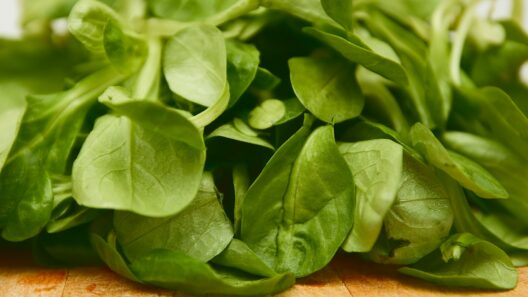
Dark Leafy Greens
Examples: kale, spinach, Swiss chard, collards
These greens thrive in cool weather and deliver iron, calcium, folate, and antioxidants. They help counter the sluggishness and nutrient dips that often occur in winter.
Why they help:
• Support red blood cell production
• Improve energy and mood
• Provide essential minerals like magnesium
Oats and Whole Grains
Examples: oatmeal, quinoa, barley, brown rice
Whole grains provide steady fuel when temperatures drop. Their fiber helps digestion, and their slow-burning carbohydrates support metabolism and warmth.
Why they help:
• Stabilize blood sugar
• Improve gut health
• Keep you energized throughout the day
Fatty Fish
Examples: salmon, sardines, trout, mackerel
Fatty fish offer omega-3 fatty acids and vitamin D, both crucial during winter. Less sunlight means lower natural vitamin D production, which affects mood, immunity, and bone health. Omega-3s also help reduce inflammation and support heart wellness.
Why they help:
• Boost mood
• Support immunity
• Provide essential anti-inflammatory fats
Nuts and Seeds
Examples: walnuts, almonds, chia seeds, pumpkin seeds
These nutrient-rich foods offer healthy fats, protein, and minerals. They help keep you full and provide long-lasting energy. Their vitamin E content also helps protect the skin from winter dryness.
Why they help:
• Support brain function
• Improve skin hydration
• Provide important minerals like zinc and magnesium
Warming Spices
Examples: ginger, cinnamon, turmeric, cloves
These spices do more than add flavor. Ginger supports digestion and helps reduce nausea. Cinnamon helps stabilize blood sugar. Turmeric provides anti-inflammatory benefits. Many spices also create a natural warming effect in the body.
Why they help:
• Support immune strength
• Ease inflammation
• Improve digestion
Bone Broth
This soothing winter staple is rich in minerals, collagen, and amino acids. It helps hydrate the body, support joints, and improve gut health. Warm broth is comforting when temperatures fall and can help ease cold symptoms.
Why it helps:
• Supports joint mobility
• Strengthens digestion
• Helps with hydration and warmth
The Bottom Line
Winter calls for foods that keep you warm, energized, and supported from the inside out. Choosing nutrient-rich options like root vegetables, citrus, leafy greens, whole grains, fatty fish, and warming spices can help your body thrive during the colder months. These foods provide essential vitamins, minerals, and antioxidants that counter dry skin, weakened immunity, low energy, and seasonal mood changes.