Tomatoes: Nutritious Powerhouse or Hidden Irritant?
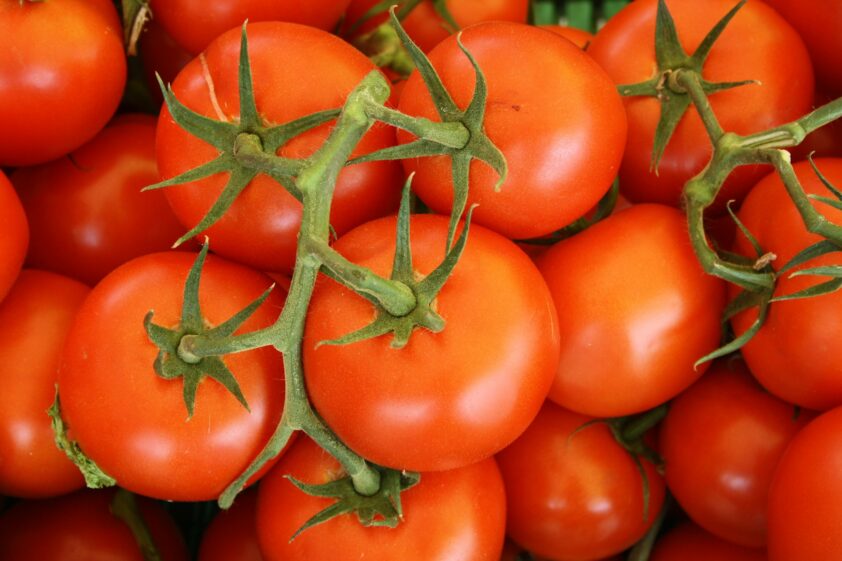
Tomatoes show up in nearly every cuisine around the world. Fresh in salads, simmered into sauces, blended into soups, or sliced on sandwiches, they are one of the most versatile ingredients in the kitchen. They are widely viewed as healthy, but tomatoes also have a few downsides that often go unnoticed. Understanding both sides helps you enjoy their flavor and nutritional benefits without any surprises.
The Benefits of Tomatoes
1. They are loaded with antioxidants
Tomatoes are rich in lycopene, a powerful antioxidant linked to heart health and reduced inflammation. Lycopene also supports cell protection and may help lower the risk of certain long-term conditions. Cooking tomatoes actually increases the availability of lycopene, making sauces and soups surprisingly beneficial.
2. They support hydration and overall wellness
Tomatoes are mostly water, which helps keep you hydrated. They also provide vitamin C, potassium, folate, and vitamin K. These nutrients support immune health, skin repair, blood pressure balance, and bone strength.
3. They promote good digestion
Tomatoes contain natural fiber, especially when eaten with the skin. Fiber supports regular digestion, steady energy, and overall gut health. Tomatoes also stimulate saliva and stomach acid, which can help break down food more effectively for some people.
The Downsides of Tomatoes
1. They can trigger acid reflux or heartburn
Tomatoes are naturally acidic. For people who struggle with reflux, indigestion, or a sensitive stomach, tomatoes may cause discomfort. Cooked tomato products like pasta sauce or ketchup can be even more acidic and may irritate the digestive system.
2. Some people react to nightshade vegetables
Tomatoes are part of the nightshade family. For a small number of individuals, nightshades may contribute to joint pain or inflammation. This is not common, but it is something to be aware of if you notice symptoms after eating tomatoes regularly.
3. Many tomato products contain added sugar and salt
Canned sauces, ketchup, salsas, and tomato soups often contain high levels of sodium and sugar to enhance flavor. These additions reduce the health benefits and can raise blood pressure, promote cravings, or increase calorie intake without you noticing.
How to Enjoy Tomatoes Without the Downsides
• Choose fresh or no-salt-added canned tomatoes.
• If you experience reflux, opt for low-acid tomato varieties or smaller servings.
• Read labels on sauces and soups to avoid added sugars and excess sodium.
• Pair tomatoes with healthy fats like olive oil to boost absorption of lycopene.
• Eat a mix of raw and cooked tomatoes for the best overall nutrient balance.
The Bottom Line
Tomatoes can be an incredibly nutritious part of your diet. Their antioxidants, vitamins, and natural hydration make them a smart choice for most meals. The issues arise mostly with overly processed tomato products, added sugars, high acidity, or individual sensitivities. With a few adjustments, tomatoes can stay flavorful, versatile, and genuinely good for your health.